
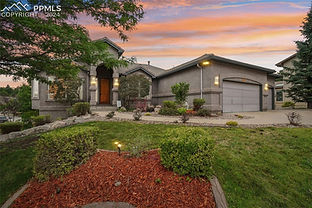
7 Things Every First-Time Homebuyer Should Know Before Buying a Home

Buying your first home is an exciting milestone, but it can also feel overwhelming. From understanding your budget to navigating the mortgage process, there are many moving parts involved. The good news? With the right preparation and guidance, purchasing your dream home can be a smooth and rewarding experience.
1. Know Your Budget
Before you start browsing homes online, determine what you can comfortably afford. Consider your monthly income, existing debts, down payment, property taxes, insurance, and future maintenance costs. A realistic budget helps you shop confidently and prevents surprises later.
2. Get Pre-Approved for a Mortgage
A mortgage pre-approval shows sellers you're a serious buyer and gives you a clear price range. It can also make your offer more competitive in today's market.
3. Prioritize Your Must-Haves
Create a list of features that are essential versus those that are simply nice to have.
Think about:
Number of bedrooms and bathrooms
Location and commute
School districts
Yard size
Garage or parking
Future resale value
Having clear priorities makes the search much easier.
4. Don't Skip the Home Inspection
Even if a property looks perfect, a professional home inspection can uncover hidden issues such as roofing problems, plumbing concerns, electrical issues, or foundation damage. An inspection helps protect your investment.
5. Understand All the Costs
Many buyers focus only on the purchase price, but homeownership includes additional expenses such as:
Closing costs
Homeowners insurance
Property taxes
HOA fees (if applicable)
Maintenance and repairs
Planning ahead helps avoid financial stress after closing.
6. Work With a Local Real Estate Expert
A knowledgeable real estate professional understands local market trends, negotiates on your behalf, and guides you through every step of the buying process. Their expertise can save you both time and money.
7. Think Long-Term
When buying a home, consider where you'll be in five to ten years. Will the home accommodate a growing family? Is the neighborhood developing? Choosing a home that fits your future goals is just as important as meeting your current needs.

Comments